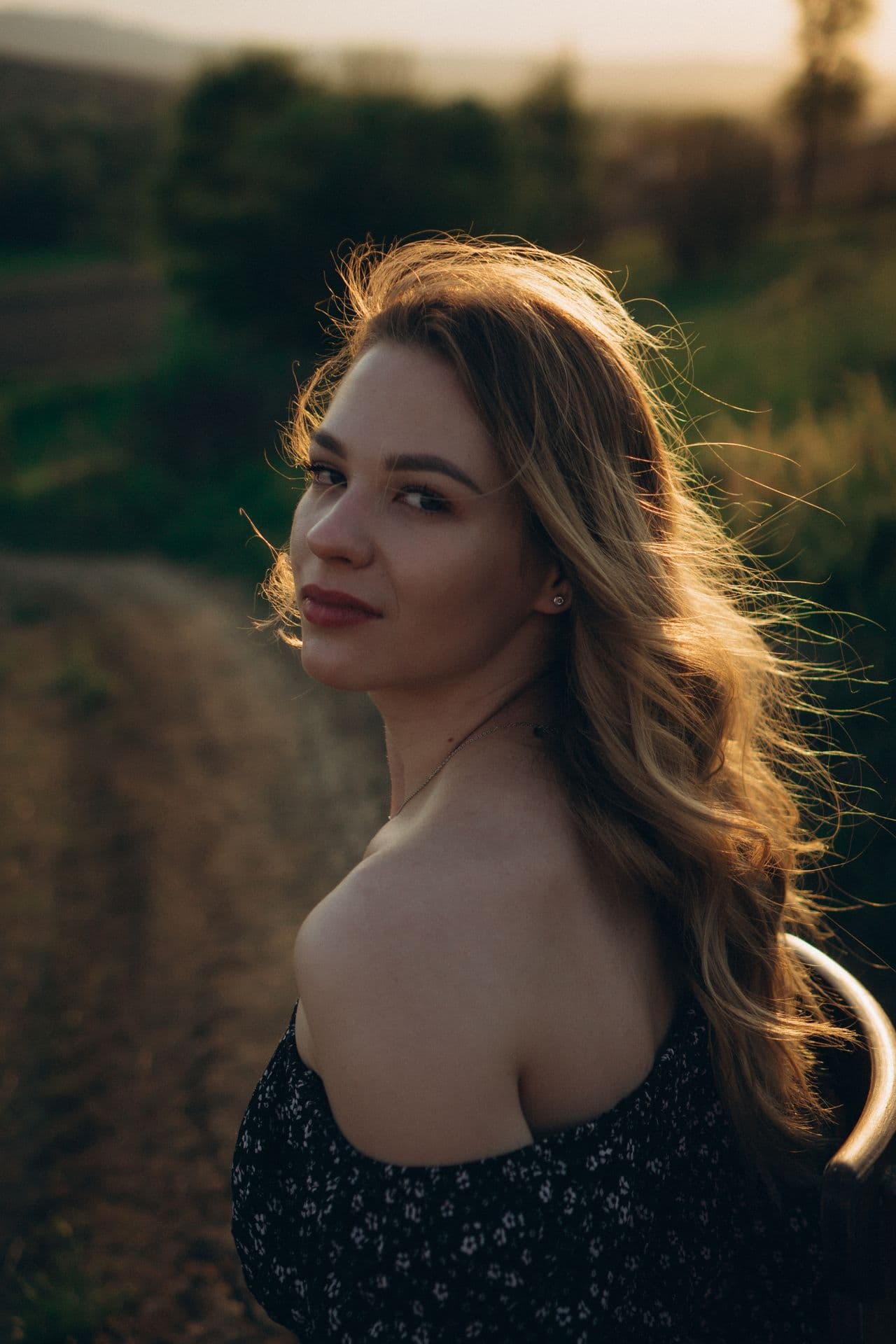
How to Spot a Fake Dating Profile in 30 Seconds
Quick Answer
Reverse image search the photos, look for AI tells in the image (smooth skin, blurred backgrounds, inconsistent hands and ears), check for local context in photos and bio, and watch for conversation patterns, scripted-feeling responses, rapid intimacy, and resistance to video calls are the clearest red flags.
Spotting a fake dating profile used to be straightforward: blurry stolen photos, implausible bios claiming to be a widowed oil rig engineer from Texas, and broken English in the first message. In 2026, that's no longer the threat model. AI image generation has produced fake profile photos that pass a casual human inspection, consistent-looking faces across multiple photos, plausible backgrounds, realistic aging. The old visual tells are gone, or at least dramatically reduced.
But that doesn't mean fake profiles are undetectable. The tells have shifted, not disappeared. Some are in the photos themselves. AI image generation has characteristic artifacts that trained eyes can spot. Some are in the profile structure. And the most reliable tells are in the conversation, where scripts and bots reveal themselves through patterns that no AI has fully solved.
Here's what to look for, in the order you'd actually encounter it, before you swipe, right after you match, and as conversation develops.
Why fake profiles are harder to spot in 2026
The change in the last two years is significant. Earlier generations of fake dating profiles relied on stolen real photos, often discovered almost immediately by reverse image search. When those photos belonged to an Instagram model or stock photographer, searching "who is this" would return results immediately.
AI-generated photos don't exist anywhere else on the internet. They're unique, consistent across multiple images (with the right tools), and increasingly indistinguishable from real photographs at a glance. Tools like Midjourney, DALL-E, and dedicated "deepfake" portrait generators can produce a complete set of profile photos, different lighting, angles, casual settings, for a convincing-looking person who has never existed.
The platform verification gap makes this worse. A YouTuber demonstrated in 2025 that a single AI-modified selfie was sufficient to bypass both Tinder's and Hinge's photo verification systems, which check for a live selfie but don't cross-reference the face against a government ID. If verification can be bypassed with one modified photo, the criminal investment in fake profiles approaches zero.
With an estimated 30–50% of Tinder profiles being fake or bot-operated, the statistical reality is that a significant fraction of your matches may not be real people. Knowing how to identify which ones aren't is a practical survival skill on unverified platforms.
The AI photo tells
AI-generated images are improving rapidly but still have characteristic artifacts. Here's what to look for:
- Hands and fingers: AI image generation still struggles with hands. Look for missing fingers, extra fingers, fingers that blend into each other, or hand proportions that are slightly wrong. This is one of the most reliable current tells.
- Ears: Ears are topologically complex and often poorly rendered. Earrings in particular. AI frequently generates earrings that are asymmetrical, floating, or merged with the ear in unnatural ways.
- Hair at edges: Look at where hair meets the background. AI often produces a smooth, slightly plastic-looking transition rather than the ragged, realistic wisp pattern of real hair photography.
- Skin texture: Real skin has pores, texture, and subtle imperfections. AI-generated faces often have skin that is slightly too smooth, not necessarily airbrushed looking, but with a waxy quality visible if you zoom in.
- Background coherence: AI generators often produce backgrounds that are plausible in isolation but internally inconsistent. A bookshelf where the books have no readable text, furniture that doesn't quite align with perspective, outdoor scenes where the lighting direction doesn't match.
- Eye reflection symmetry: In real photos, the reflection in both eyes comes from the same light source. AI frequently generates slightly different reflections in each eye. A subtle but detectable tell on close inspection.
- Too-perfect symmetry: Real human faces are slightly asymmetrical. AI-generated faces are often more symmetrical than is biologically normal, giving them an uncanny perfection.
None of these tells are definitive in isolation. A real photo can have some of these qualities, and a sophisticated AI image might avoid them. But if you see multiple artifacts in the same photo set, you have a strong signal.
Profile structure red flags
Beyond the photos themselves, the profile structure often betrays fakes before you even start a conversation.
No local photos or context. A real person in your city will often have photos with local landmarks, local restaurants, or outdoor scenes recognizable to the area. Fake profiles tend toward generic-beautiful photos that could be anywhere: beaches, mountains, or clean indoor settings without location-specific cues.
Very new account. Many platforms show account age or approximate join date. A profile created within the last few weeks with no mutual connections and very few photos is more likely to be fake.
Vague or fantasy-adjacent job descriptions. "Entrepreneur," "investor," "civil engineer working offshore," "doctor with Doctors Without Borders", romance scam scripts favor occupations that explain why the person can't meet in person and have access to money. Military deployment and oil rigs are classic. Tech work that could be done "internationally" is increasingly common.
Inconsistent age presentation. Photos that look like they span dramatically different ages. A face that looks 25 in one photo and 40 in another, often indicate a stolen photo set assembled from different people, or an AI set where aging wasn't consistently controlled.
Only model-quality photos. Real people have a mix of photo quality, candid shots, slightly blurry photos taken by friends, casual selfies. A profile with only professional-grade photos in perfect lighting, every one of them maximally attractive, is suspicious.
Bio text that could describe anyone. "I love adventure, good food, and deep conversations" is functionally meaningless. Real bios include specific details. A favorite local place, an actual hobby with specifics, references to their job in ways that reveal actual knowledge of the industry.
Stop auditing profiles: Start actually dating.
On BeyondSwipe, nobody can message you until they have verified their government ID. You don't need a 30-second checklist. Every profile says whether that person has verified. Verify once for $4, and the account you keep after that is free.
Conversation patterns that signal a bot or scammer
The conversation phase is where fake profiles most consistently reveal themselves. No matter how good the photo technology gets, conversations have patterns that are hard to fake convincingly at scale.
Overly formal or scripted-feeling opening messages. Bot-generated first messages often have a quality of being slightly off, grammatically correct but formal in a way that doesn't match the persona presented in the profile. Compliments that could apply to anyone, questions that don't reference anything specific about your profile.
Rapid intimacy escalation. A real person takes some time to warm up in conversation. Scammers are operating under time pressure (they're managing many targets simultaneously) and need to move toward emotional connection quickly. Being called "my dear" or "sweetheart" after two messages is a red flag.
Consistent unavailability for video calls. The camera is always broken. The connection is always poor. They're working night shifts. They're in a location with restricted internet. Every excuse is plausible individually; a pattern of excuses for why video is never possible is highly suspicious.
Questions that gather financial or personal information. "Are you close to your family?" can be innocent curiosity or it can be establishing whether you have financial support systems. "Do you own your home?" is rarely romantic. Pattern-match on information gathering disguised as connection-building.
Switching platforms quickly. Scammers want to move off dating apps (which have reporting features) to direct messaging on WhatsApp, Telegram, or Signal. Genuine users have reasons to move to text, but the urgency to leave the platform's ecosystem within the first day is suspicious.
How to reverse image search a dating profile
Reverse image searching is still worth doing even in the AI era. Many fake profiles still use stolen real photos because AI generation requires more setup, and some scam operations are using templates that appear in multiple places.
On desktop: Right-click the photo and select "Search Image with Google" (Chrome) or save the image and upload it at images.google.com or tineye.com. Google Lens gives broader results for faces. TinEye is better for finding exact copies.
On mobile: Save the profile photo to your camera roll, then use the Google app's photo search or Google Lens. Screenshots work too, crop the face tightly before searching to get better results.
What to look for in results: The same face appearing with a different name, on social media accounts that look inconsistent with the dating profile, on stock photo sites, or on other dating platforms with different usernames. None of these is proof of a scam individually. They're signals to investigate further.
AI photo limitation: If the photos are AI-generated, reverse image search will return no results or unrelated results. That absence of results is now less reassuring than it used to be. A clean reverse image search no longer means the photos are real.
For AI detection specifically, tools like Hive Moderation's AI image detection, Google's SynthID detector (in supported contexts), or simply zooming in to check for AI artifacts are increasingly necessary supplements to reverse image search.
The 30-second checklist
Before you invest time in a conversation, run through this in order:
- Zoom in on hands and ears in at least one photo, obvious AI artifacts rule out the profile immediately
- Check the background for coherence, is the setting specific and location-identifiable, or generic-beautiful?
- Read the bio, does it contain anything specific to this person, or is it interchangeable with a thousand others?
- Note the job, does it explain why they can't meet easily? ("Oil rig engineer," "military overseas," "traveling doctor")
- Reverse image search, save one photo and search it; not definitive but catches lazy scammers still using stolen photos
- Check account recency, if the platform shows join date, a very new account combined with other flags warrants caution
If the profile clears these six checks, the remaining tells are conversational. Propose a video call within the first few days of meaningful conversation, not as a demand, but as a natural step. A genuine person will be happy to. Someone running a script at scale will have excuses.
The platform-level fix
All of these individual countermeasures are compensatory. They're workarounds for a structural problem: platforms that allow unverified profiles shift the burden of verification onto individual users, who are not equipped with the tools, time, or expertise to do it reliably.
The only durable solution is platform-level government ID verification. When every member has verified a government-issued document, driver's license, passport. The fake profile problem is solved at the source. There's no photo trick, no AI image, no scripted conversation that gets around the requirement to submit a real government document and match it to a live selfie through a dedicated identity verification check.
BeyondSwipe requires every user to verify their government ID before they can message anyone. The check runs through Didit, a specialist identity verification provider certified to SOC 2 Type 2 and ISO 27001. The one-time $4 fee combined with identity verification makes fake profile operations economically unworkable and far harder to run at scale.
On a verified platform, the 30-second checklist above becomes unnecessary. Anyone who can message you there has put their real identity on record. You can focus on whether you're compatible with someone, rather than whether they exist.
BeyondSwipe Editorial Team
We research the real problems with online dating and write honestly about them. BeyondSwipe was built because the industry's incentives are broken. Our editorial reflects that same belief.