Honest takes on modern dating
Research-backed articles on dating app safety, how to spot fakes, why swipe culture is failing, and what actually works.
The Complete Guide to Safe Online Dating in 2026
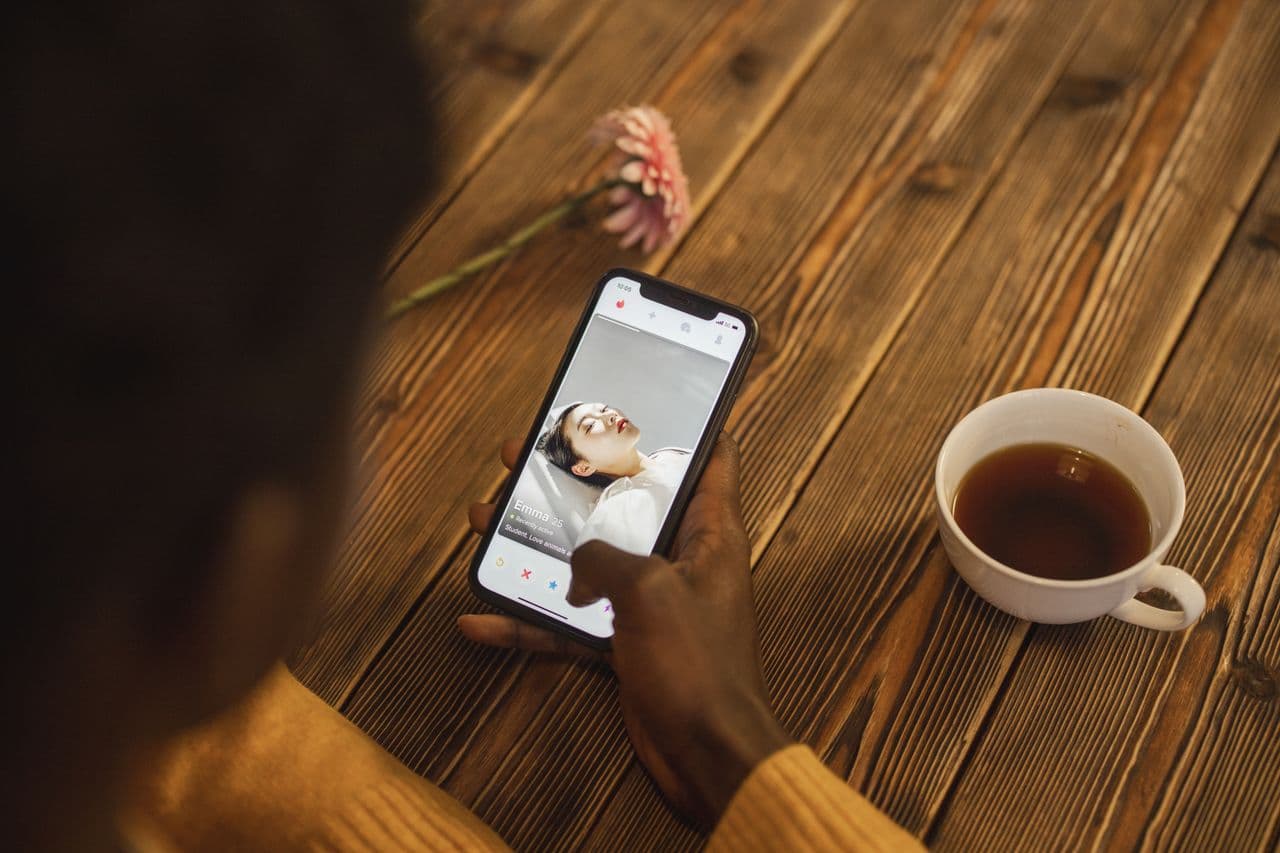
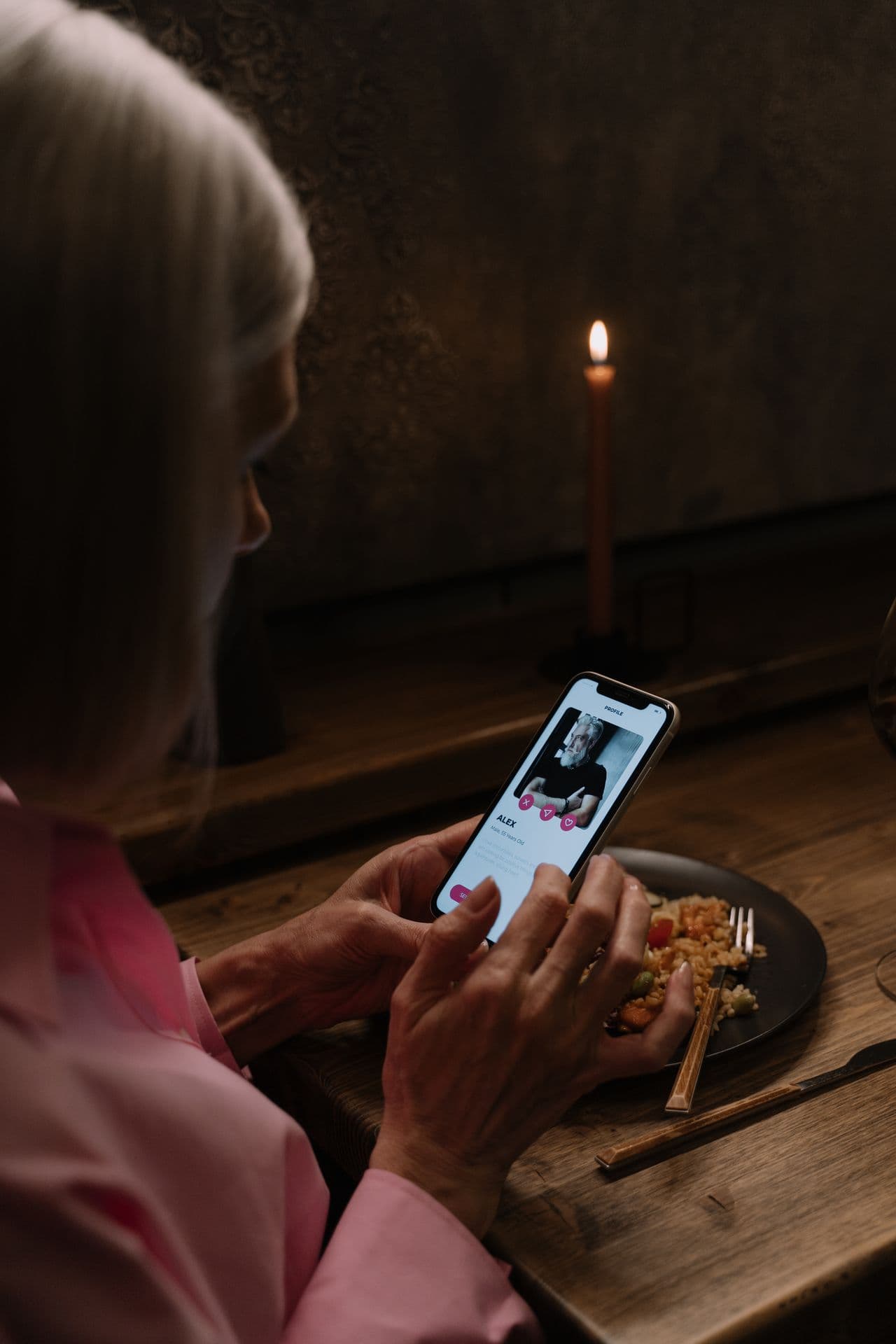
Safe online dating in 2026 means verifying the person is real before investing emotionally, video-calling before meeting in person, never sharing financial information, always meeting in public places, and telling someone where you are going. Using a platform that verifies government ID removes the biggest safety variable before you even match.
Read more →
"Online Dating Is Dangerous". Myth vs Reality in 2026
Online dating is not inherently dangerous, but risk is real and unevenly distributed. Scams, emotional manipulation, and AI-generated fake profiles are genuine threats, especially on unverified platforms. The risk profile drops dramatically when platforms require government ID verification before any contact.
Read more →
BeyondSwipe vs Tinder: Why Verification Changes Everything
Tinder offers the largest pool and the best discovery features, but its selfie verification has been bypassed by AI tools and its algorithm optimizes for time in the app rather than matches. BeyondSwipe requires a government ID to message, which makes it far harder for fake profiles to reach you, at the cost of a much smaller pool.
Read more →
BeyondSwipe vs Bumble: Is Women-First Enough?
Bumble's women-first messaging rule genuinely reduces unsolicited messages and certain types of harassment. But it can't verify whether the person you matched with is who they claim to be. That requires identity verification. BeyondSwipe's government ID requirement addresses the fake profile and romance scam problem that Bumble's clever UX mechanic was never designed to solve.
Read more →
"AI Will Find You a Perfect Match". The Truth About Dating Algorithms
Dating app algorithms do not find your perfect match. They rank profiles to maximize your engagement with the app, optimizing for swipes and sessions rather than long-term relationship satisfaction. Knowing who is real, and stating your preferences honestly, does more for your outcomes than any algorithm does.
Read more →
BeyondSwipe vs Hinge: Beyond 'Designed to Be Deleted'
Hinge is the most relationship-focused major dating app, and its prompt-based profiles and expanding face check make it a genuine step up from Tinder. But its face verification has been bypassed by AI-generated IDs, and no government document confirms identity. BeyondSwipe requires one before anyone can message you.
Read more →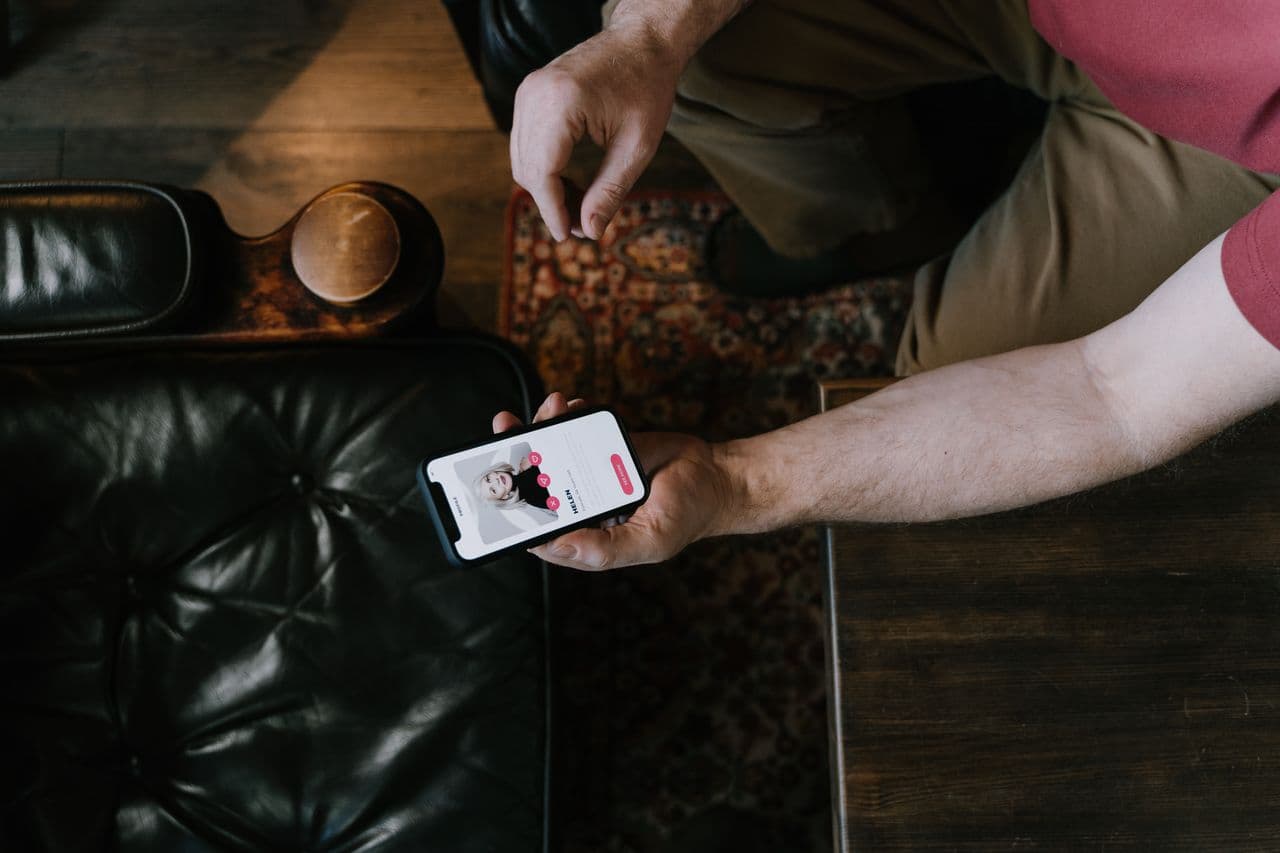
How Identity Verification Is Changing Online Dating
Dating app verification ranges from basic selfie checks (Tinder) to video matching (Bumble) to AI face-checks (Hinge), all of which have been bypassed by AI tools. Government ID verification, which checks your actual passport or driver's license against fraud databases, is the only method that conclusively confirms real identity. BeyondSwipe uses this standard.
Read more →
How to Spot a Fake Dating Profile in 30 Seconds
Reverse image search the photos, look for AI tells in the image (smooth skin, blurred backgrounds, inconsistent hands and ears), check for local context in photos and bio, and watch for conversation patterns, scripted-feeling responses, rapid intimacy, and resistance to video calls are the clearest red flags.
Read more →
BeyondSwipe vs Match.com: Old Model vs New Standard
Match.com created the online dating industry and has 30 years of genuine success stories. But it was built before deepfakes, AI-generated profiles, and organized romance fraud existed at scale. Its verification infrastructure hasn't kept pace with the threat environment. BeyondSwipe was built specifically for that environment, with government ID verification at its foundation.
Read more →
Romance Scam Warning Signs in 2026: The Complete List
The clearest romance scam warning signs are: escalating emotional intensity in the first days, consistent excuses to avoid video calls, a job that explains why they can't meet, and any request for money or financial information, no matter how small or how sympathetic the story.
Read more →
BeyondSwipe vs eHarmony: Compatibility Scores vs Real Identity
eHarmony's 80-question compatibility system is one of the most serious attempts at data-driven matchmaking in the consumer dating space. But a compatibility questionnaire can be completed by anyone, including a scammer building a convincing persona. BeyondSwipe's government ID verification establishes who you're talking to before compatibility even enters the picture.
Read more →
The Real Reason You Aren't Finding Love on Dating Apps
Dating apps are not finding you love because they are not designed to. Their revenue depends on your continued subscription, not your relationship success. The algorithm maximizes your time on the app, not your chances of matching with someone compatible. Adding fake profiles, swipe fatigue mechanics, and algorithmic match suppression completes the picture.
Read more →
BeyondSwipe vs OkCupid: Verified Humans vs Answered Questions
OkCupid pioneered data-driven compatibility matching with thousands of optional questions and a sophisticated percentage-match system. The data is genuinely useful, but only if the person on the other end is real. OkCupid's free tier and absence of identity verification create a lower barrier for bad actors. BeyondSwipe addresses the identity layer first, which makes compatibility data trustworthy.
Read more →Catfishing in 2026: How AI Made It Dramatically Worse
AI-generated photos now bypass photo and video verification on major dating apps. A YouTuber proved in 2025 that a single modified selfie defeats Tinder and Hinge verification. The only check that AI cannot defeat is government ID verification, which requires a real, government-issued document.
Read more →
Dating App Safety: The Ultimate 2026 Checklist
Dating app safety comes down to five phases: verify the profile before matching, assess platform trust signals before messaging, perform independent verification before meeting, follow location-sharing and public-venue rules on a first date, and build trust incrementally after. Platforms with government ID verification remove the most critical vulnerability by default.
Read more →
Every Major Dating App's Verification System. Compared
Dating app verification ranges from 'nothing' (Match.com, OkCupid) to photo selfies (Tinder) to video liveness checks (Bumble) to face-check expansion (Hinge) to government ID verification (BeyondSwipe). Each tier catches different fraud types, and each has been bypassed at the upper tiers except government ID, which requires a real, verifiable document.
Read more →
How Dating Apps Verify Identity, And Why Most Get It Wrong
Most dating apps use photo selfie matching, which has been bypassed by AI-modified images. Video checks are better but don't verify identity, only that there's a real person. Government ID verification through a specialist identity provider is the only method that confirms who someone actually is.
Read more →
Romance Scams in 2026: $1 Billion Lost, How to Never Be a Victim
Romance scams are the most financially destructive type of consumer fraud. The FTC recorded $1.16 billion in losses in the first nine months of 2025, from 55,604 victims. Every scam follows a predictable pattern: fake identity, manufactured emotional connection, then a financial request. Understanding the pattern is the most effective protection.
Read more →
Why Free Dating Apps Cost You More Than $4
Free dating apps cost you in time (average 90 minutes per day), emotional energy (53% of singles report dating burnout), financial risk (romance fraud averaged $2,000 per victim in 2025), and subscription upgrades you're nudged into buying. The total annual cost of "free" dating often exceeds $500. BeyondSwipe's $4 verification fee is an upfront price for a fundamentally different product.
Read more →
Online Dating Statistics 2026: The Numbers That Will Surprise You
80 million Americans use dating apps, and 27% of couples who married in 2025 met online. But usage is declining, scam losses hit $1.16 billion in 9 months of 2025, and Tinder lost 37% of active users year-over-year. The industry is both enormously successful and structurally broken.
Read more →
Verified Dating: The Next Generation of Online Dating Apps
Verified dating means every member has confirmed a real legal identity: not a selfie match or a blue tick, but a government document matched to a live biometric. When that is the entry requirement, fake profiles, bots and romance scammers become far harder to operate. What remains is a pool of real people.
Read more →The Paid Dating App Tier List 2026: Which Is Worth Your Money?
The best-value paid dating app in 2026 depends on what you are optimizing for. Hinge+ is the strongest upgrade from a free swipe app, and eHarmony offers the most serious compatibility model at the highest price. BeyondSwipe is a different category: $4 once to verify identity, not a monthly subscription.
Read more →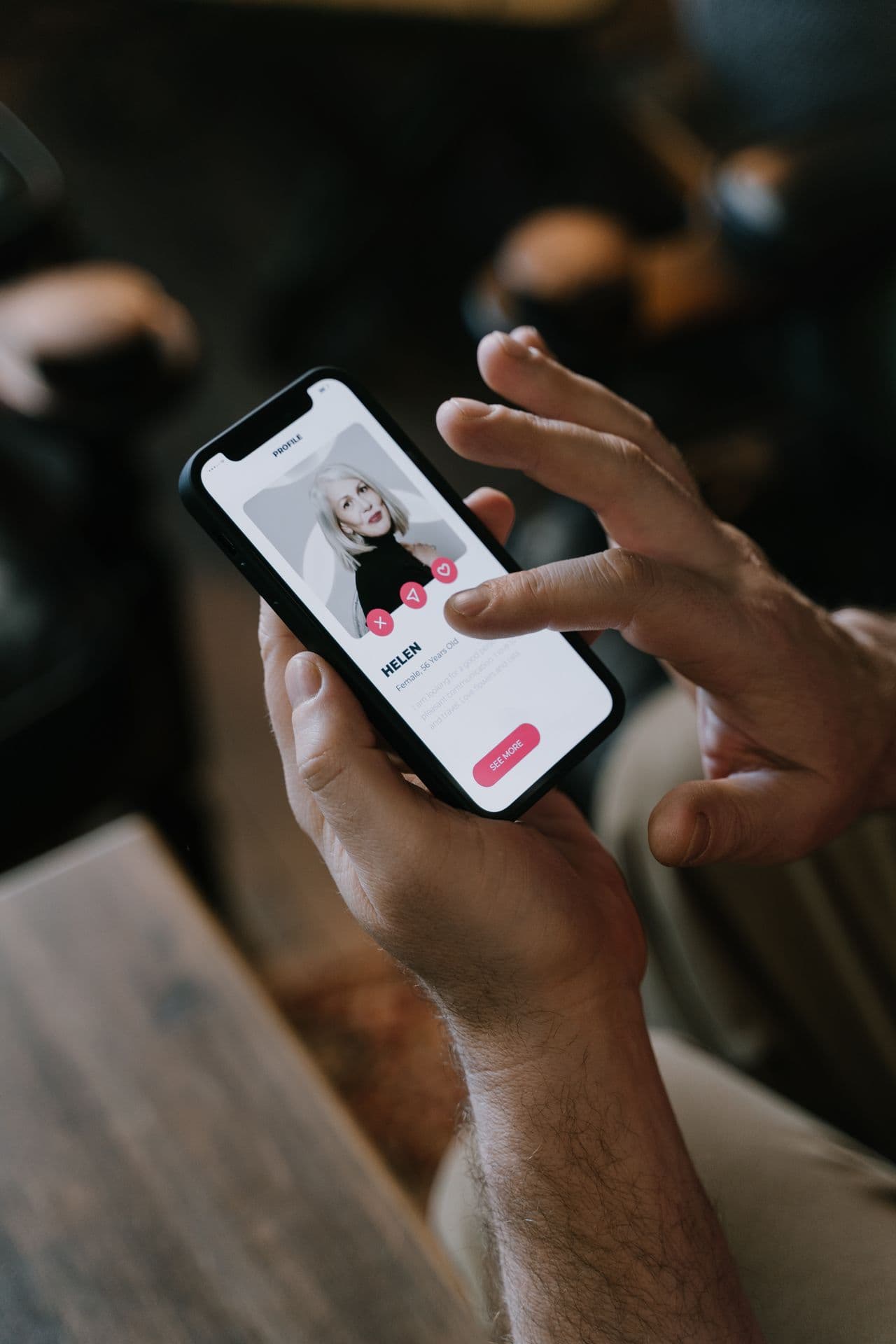
Why Dating App Downloads Are Falling (And What Comes Next)
Dating apps are losing users because they've priced themselves out of value, poisoned trust with fake profiles and fraud, and optimized for engagement rather than outcomes. Users are burning out and increasingly choosing in-person social activities. The platforms that will survive must rebuild on verified identity and honest incentive alignment.
Read more →
From First Swipe to First Date: What the Data Says About Online Dating
27% of couples who married in 2025 met on a dating app, making digital introductions the single most common way couples now form. But average match rates are 5.26% for men and 44.4% for women on Tinder, 53% of users burn out, and usage has fallen below 2018 levels. The method works. Most of the apps implementing it do not.
Read more →
The Dating App That Actually Wants You to Find Someone
Dating apps that depend on monthly subscriptions earn more the longer you stay single, which pushes them toward engagement features over outcomes. BeyondSwipe is built around real matches instead: identity verification is required to message, the free account never expires, its limits are stated up front, and BeyondSwipe+ is optional at $14 a month.
Read more →
Gen Z vs Millennials on Dating Apps: A Complete Breakdown
Gen Z is more skeptical of dating apps despite being digital natives. They prioritize authenticity and are more likely to delete apps and meet in person. Millennials are the power users with higher engagement and higher burnout. Both generations share one frustration: they can never be sure who they're actually talking to.
Read more →The Psychology of Online Dating: Why We Swipe, Why We Burn Out
Dating apps exploit three well-documented psychological vulnerabilities: variable reward schedules that create compulsive swiping (same mechanism as slot machines), the paradox of choice that makes too many options feel worse than fewer, and social comparison anxiety amplified by constant visual evaluation. Understanding these mechanisms is the first step to escaping them.
Read more →
Dating App Burnout: Signs, Causes, and How to Actually Recover
Dating app burnout affects 53% of singles and is caused by the apps' own design, variable reward schedules, rejection at scale, paradox of choice, and emotional labor without reciprocal return. Recovery requires specific structural changes, not just "taking a break." Platform choice, intentionality, and volume reduction are more effective than generic self-care advice.
Read more →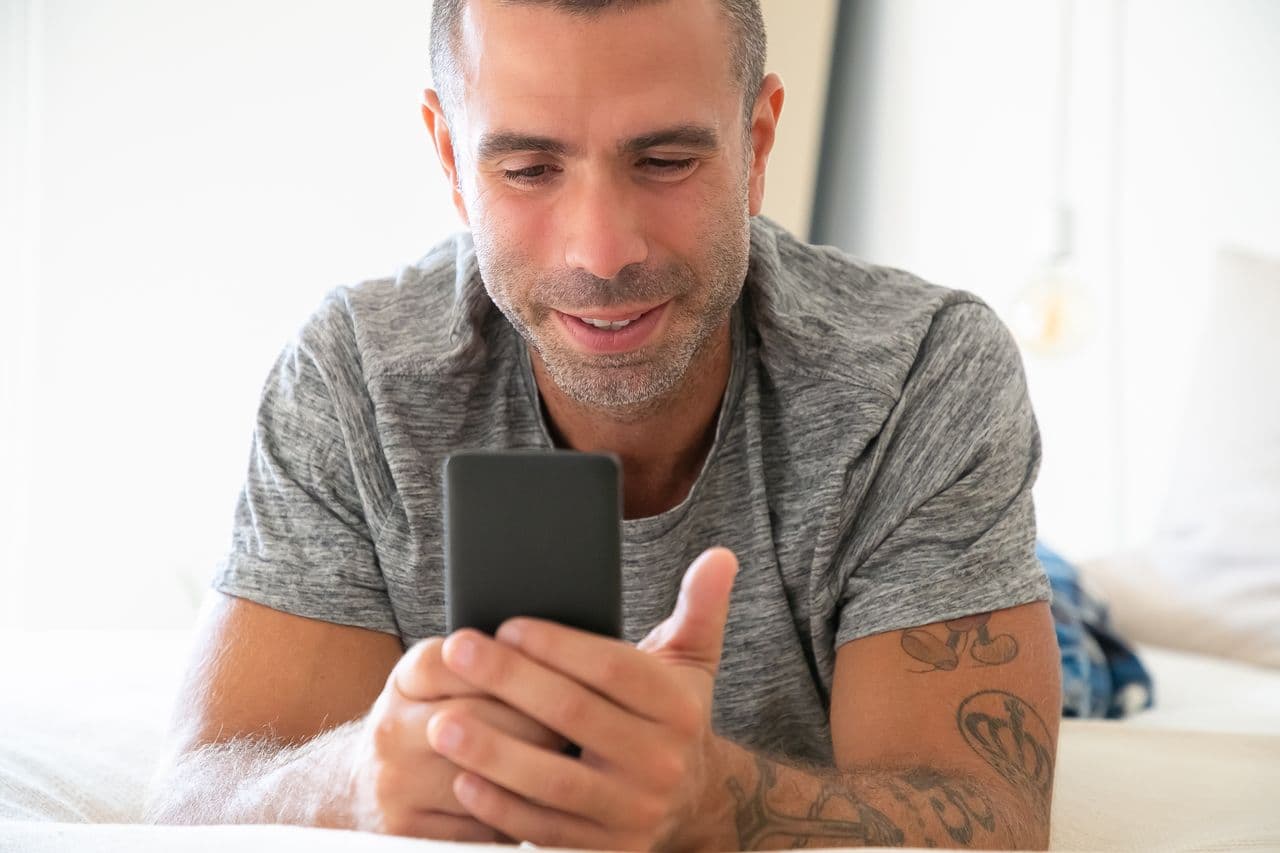
Swipe Fatigue: What It Is, Why It Happens, and How to Escape It
Swipe fatigue is the emotional exhaustion from spending hours making rapid, superficial judgments of people based on photos, and getting little meaningful connection in return. It affects 76% of dating app users (Forbes, 2024) and 53% report full dating burnout. It is not a personal failure. It is a predictable consequence of how these apps are engineered.
Read more →
Ready to meet someone real?
Nobody on BeyondSwipe can message you until they verify their identity, which makes it far harder for bots, catfish and fake profiles to reach you.